

Grandma, Ben Sasse, and Louis Theroux Walk into a Bar
Jamie's Corner: Chapter Twenty-Eight
June 24, 2026
By Jamie Towey
Over the past several months, I’ve witnessed three visions of what we at Aging with Dignity call aging, leaving, and living. One was the poignant death of a loved one, another the courageous witness of a public figure, and finally a sullen documentary on people choosing death.
On April 1, my beloved grandmother, Ann Buckley Griffith, passed away at the ripe old age of 94. Grandma was the last grandparent of mine to leave this earthly life, and I previously wrote about her and my other grandmother, Ya Ya, here. There is much I could share about Grandma: story time with grandchildren on the couch, reminiscences over white toast slathered with butter and Bonne Maman raspberry jam; weddings, graduations, funerals; meandering drives (both in route and in lane adherence) with CDs playing the Dixie Chicks and Cole Porter. But one thing I’m struck by, given the work we do at Aging with Dignity, was how well everything went at the end.
Grandma was cared for by an incredible hospice team at the Virginia Hospital Center. Her pain was managed, her Five Wishes followed. Her parish priest (and paper boy five decades prior) hastened to the hospital and gave her Last Rites. She was surrounded by family throughout the 24 hours when her body and soul labored to let go. It was close to a perfect death.
I fully recognize that this was a privilege, both for Grandma and her family. Tens of thousands of Americans experience emotionally or physically fraught deaths. But the process by which Grandma left this world ought to be the standard, not the exception.
Grandma’s approach to death was a private family affair. Now, there’s much more to dying than the moment of death and so it’s important to have public figures who set an example of how to wrestle with mortality.
Enter Ben Sasse.
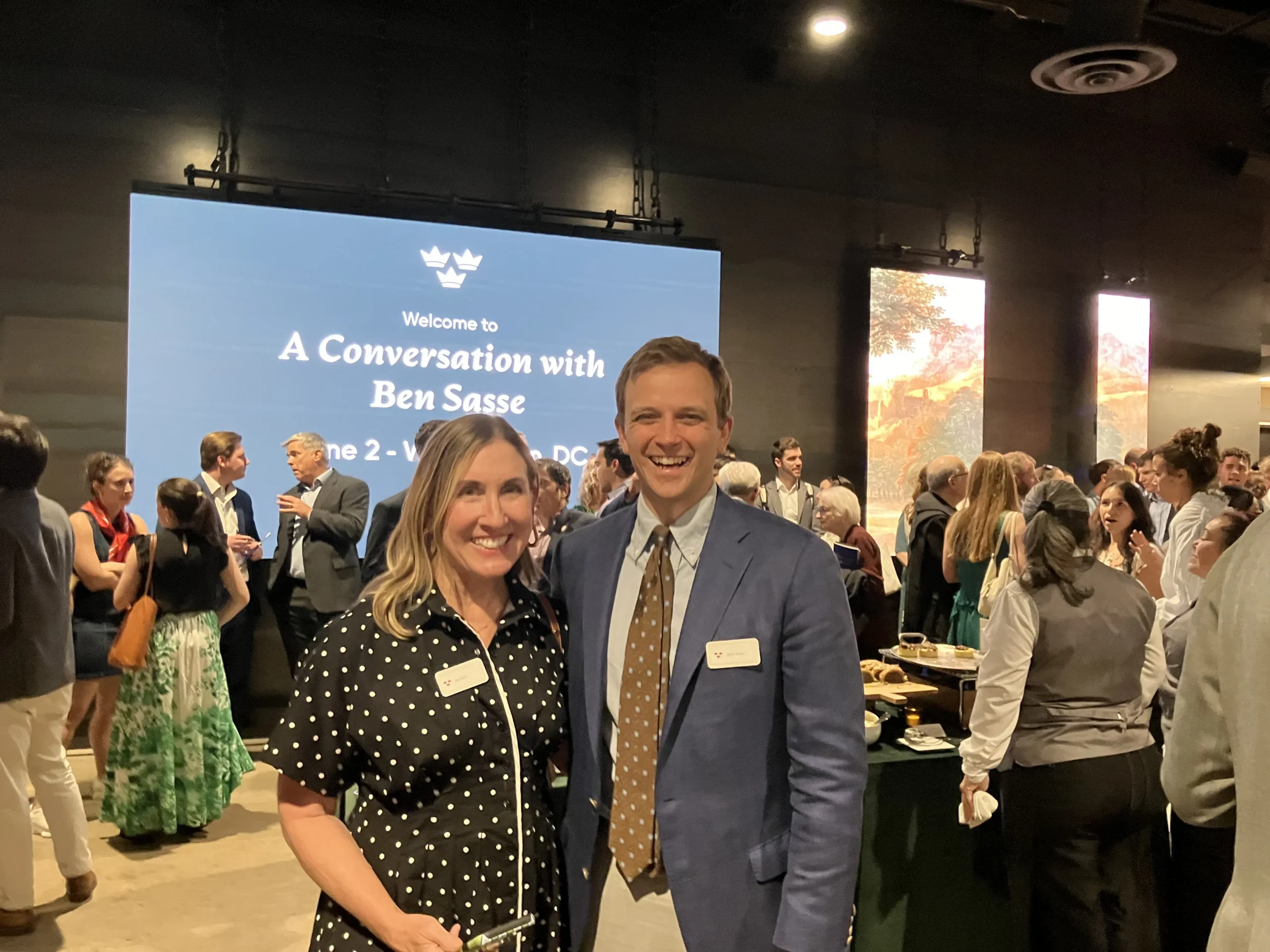
Several weeks ago, Aging with Dignity co-sponsored an event with the Trinity Forum that, on paper, seemed simple enough, blase, even: an evening conversation with Ben Sasse. Sasse is a former US Senator and former president of two universities, with many other life accomplishments to boot. His most recent claim to fame, however, has been his heroic witness in the face of a pancreatic cancer diagnosis. Dad (our CEO, Jim Towey) lauded Sasse several months for his powerful example of hope in the face of death. It’s worth a read.
But Sasse is not dead yet – he has been the beneficiary of a breakthrough pancreatic cancer drug trial that, while incapable of curing him, has forestalled his demise. Nevertheless, on that evening two and a half weeks ago, Sasse did not look well. He was bleeding through his trousers. He had a ballcap on and could not help itching himself all over. As he informed us, his body was covered with sores. His swollen cheeks and haggard eyes gave a glimpse into deep pain and suffering. And yet, Sasse’s face was stretched in a smile almost the entire time. He’d rock forward in his chair when delivering the punchline of a joke or the lesson of a story. In fact, if you disregarded his appearance and frequent swigs of Gatorade (to combat waves of nausea), you’d have no clue the man was being consumed by cancer.
Sasse’s answers to Cherie Harder’s questions were a masterclass. 900 people in the audience, many with tears in their eyes, hung on his every word. Sasse went hard at the notion that you become special the moment you get a terminal diagnosis. “Every one of you has a death sentence,” he inveighed at the crowd, and shortly afterwards called our society’s escapism over death “delusional denial.” A self-described recovering workaholic, he shared how six weeks of nearly unendurable pain was actually a gift for him, because it brought him to grips with his mortality, and put in stark relief the Sisyphean nature of making work his life’s purpose. Most of all, he returned repeatedly to his family, most of whom were there in the front row. Sasse modeled fatherly love and spousal devotion for the packed auditorium.
Sasse’s raw, courageous humility in the face of immense suffering and hardship has struck a nerve with the American public, given the millions of views of his recent podcast appearances. What a privilege to see him in action up close and personal.
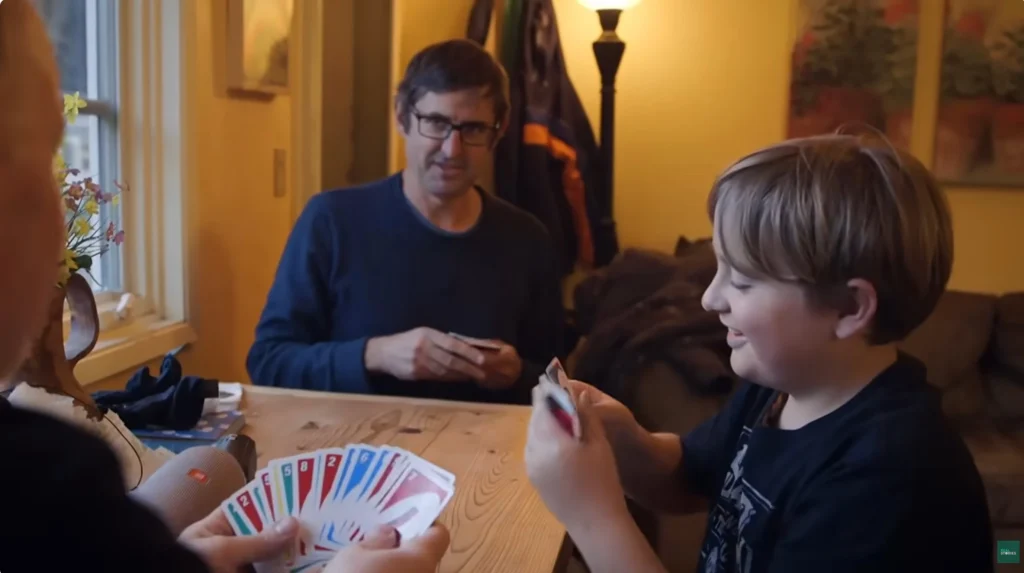
In sharp contrast is the bleak vision proffered by the “right-to-die” movement. A couple days ago, the BBC uploaded to YouTube a 2018 documentary on assisted suicide with host Louis Theroux; I hadn’t seen it before.
The documentary follows several individuals in the United States pursuing assisted suicide, including a man named Gus suffering from pancreatic cancer, the same disease afflicting Ben Sasse. It also follows “volunteers” from the group Final Exit Network, who help people commit suicide by any means if they don’t live in a state where assisted suicide is legal. “All we’re doing is talking. And that’s protected by the First Amendment.” So said one volunteer before providing a hands-on demonstration with a lonely woman grieving the loss of her husband, as she showed her how to tape a plastic bag over her head.
There is so much I could discuss from this documentary, but I’d rather let Ben Sasse do the talking – every single person in this documentary, despite the legitimate suffering they were experiencing, despite their loneliness, despite their fears of death, was engaged in exactly what Sasse warned of – “delusional denial.” It is delusional to think you can have “control” over your death. We all have a death sentence. Once we accept that reality, we recognize that the logic for assisted suicide has no limit. If six months before death, why not six years? If pain is grounds for suicide with a doctor’s prescription, why deny it to people with mental health suffering who potentially face decades of panic attacks, bouts of depression, and manic episodes? It doesn’t make sense.
And like Sasse said, it’s denial. Every person in the documentary spoke words that their facial expressions belied, that they were burdens to their loved ones and as such were diminished as a person. But if Grandma’s story and Ben Sasse’s witness, or all our lived experiences as parents, caregivers, and friends have shown us anything, it’s that dependency does not diminish our innate dignity. Our ability to love and be loved is what makes us human.
(The views expressed herein are those of the author and do not necessarily reflect the views of Aging with Dignity and/or its Board of Directors.)