

The Greatness of Goodness
How one man dodged a bullet and changed history
May 13, 2026
By Jim Towey
On this day forty-five years ago, Pope John Paul II was mingling with the crowd in Saint Peter’s Square when the sound of four gunshots echoed through the Bernini colonnades. He had been shot. He collapsed in a pool of blood with wounds in his torso and finger. Miraculously, the point-blank assassination attempt failed. The Pope fully recovered.
One does not have to be a Catholic to recognize that John Paul II was perhaps the most consequential figure of the 20th century. His nearly 27-year pontificate left a legacy in the Catholic Church so transformative that its influences continue to spread 20 years after his death.
Goodness became greatness
In my youth, it was common to tell derogatory jokes about Polish people, like “How many Polacks does it take to change a light bulb?” (Answer: Four – one to hold the bulb and three to turn the ladder.) But after Karol Wojtyla took to the world stage, Polack jokes disappeared. He commanded respect even from his foes. It was impossible to ignore his brilliance and goodness that became greatness.
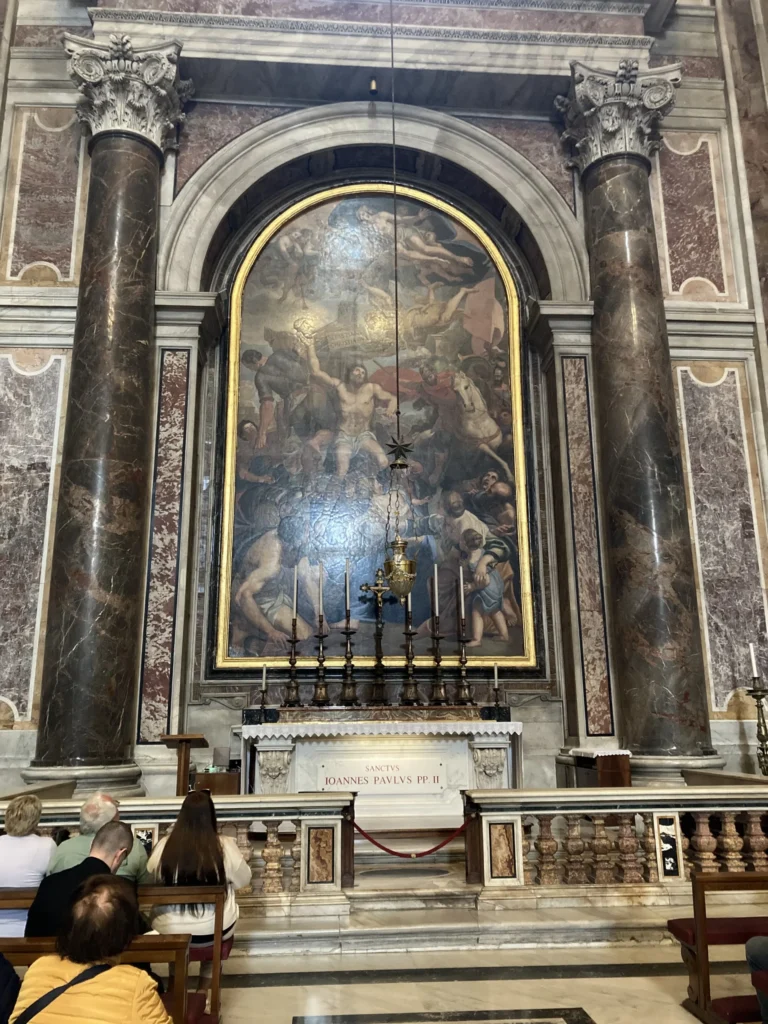
I resolved last month while in Rome and Poland to give thanks to God for this saint, spend time contemplating his life, and seek his heavenly intercession. I began my pilgrimage with a visit to his tomb in St. Peter’s. It is situated near the main entrance to the majestic Basilica and adjacent to the chapel where Michelangelo’s marble masterpiece, The Pieta, is on display.
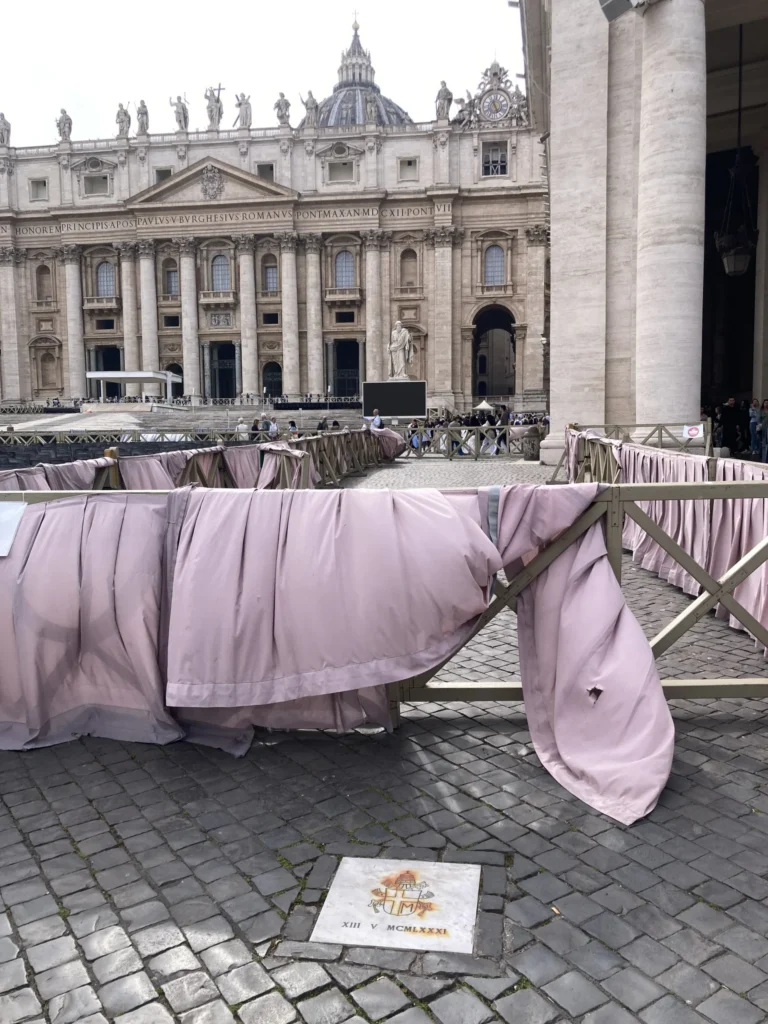
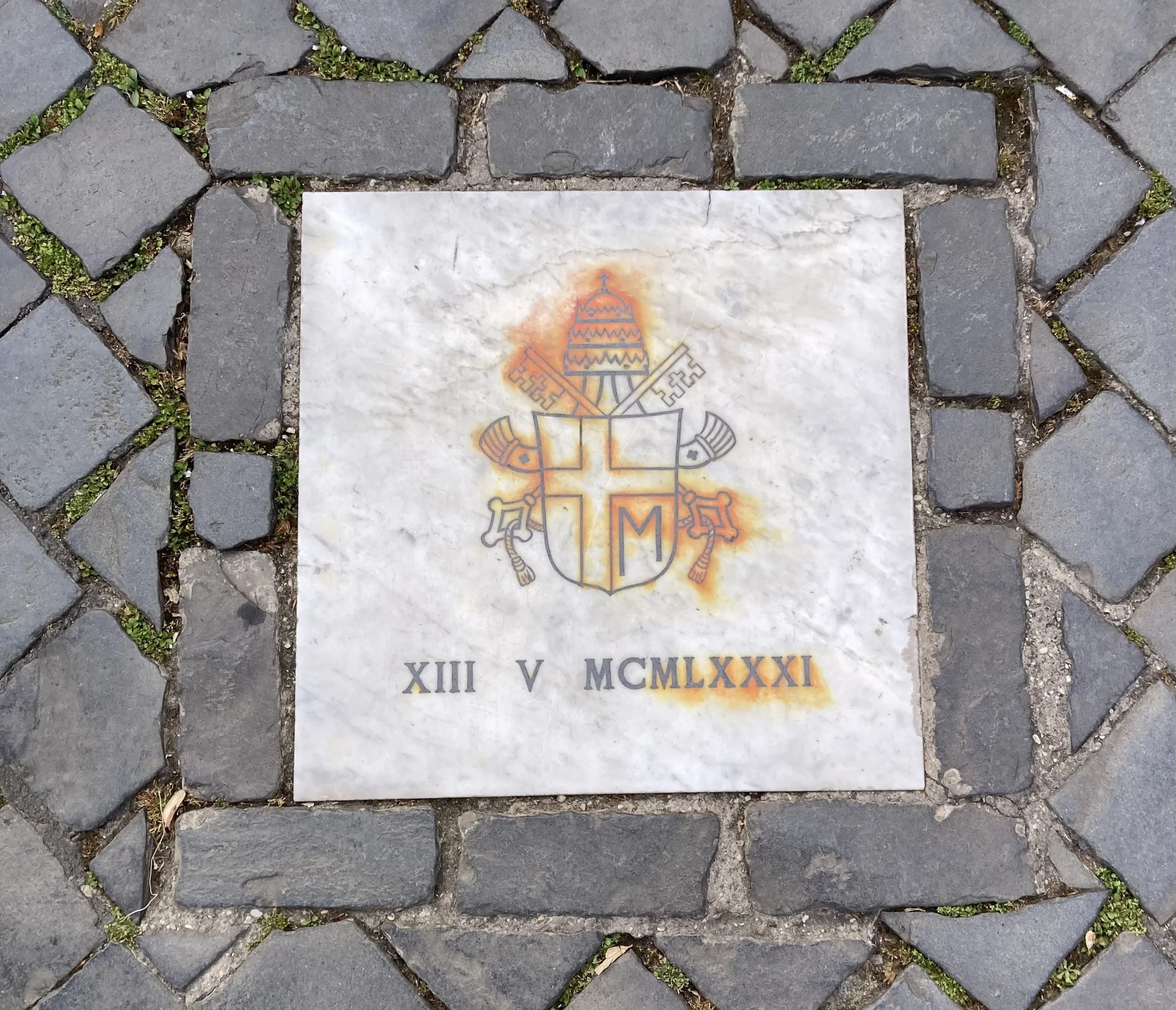
After praying before his earthly remains, I went to the Square and stood on the exact spot where the Pope had been shot. It is marked by a single engraved marble stone that, over time, appears as if blood-stained. To stand where John Paul II shed his blood was to recall that Saint Peter also shed his, albeit a very short distance away.
That day was not the first time Karol Wojtyla had been struck down and bloody. When he was 23 years old, a truck driven by a German soldier knocked him unconscious and into a roadside ditch. Only the ways of God can explain how this fallen man with no money, no family members alive, and seemingly no future because his university had been shut down by the Nazis and his professors sent away to concentration camps, could somehow become pope one day. But God’s ways aren’t our ways.
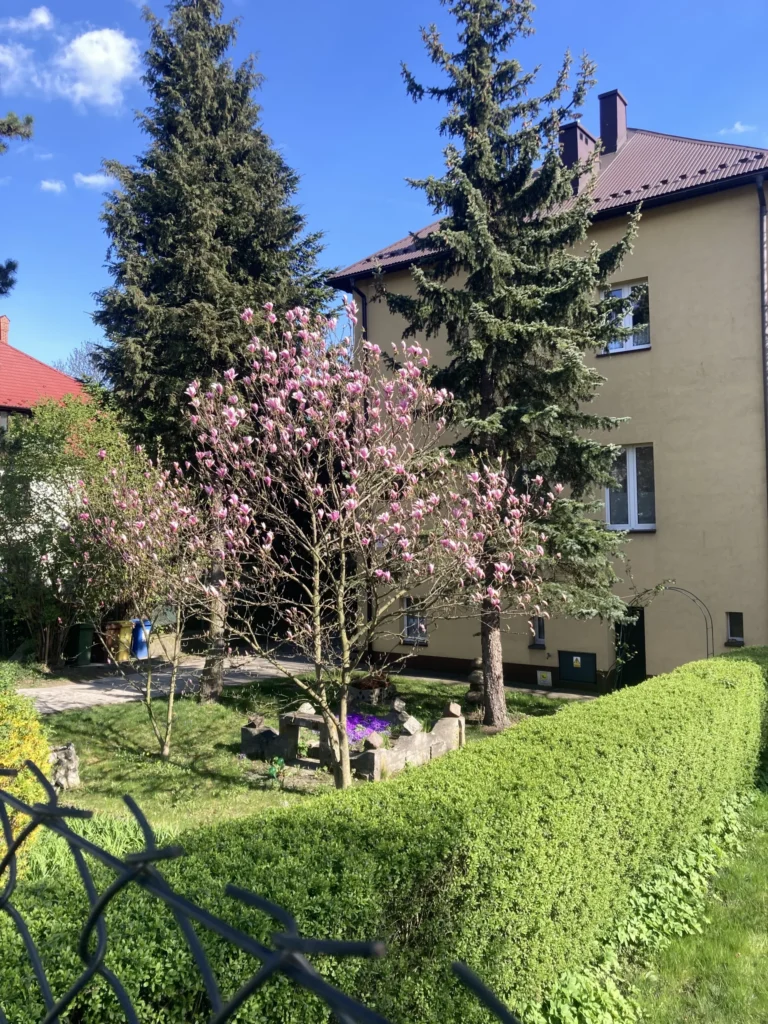
I continued my pilgrimage in Krakow, Poland and saw where he lived during World War II and secretly studied for the priesthood. Karol and his father, Karol Sr., shared a small apartment on the ground floor of a simple three-story building. He came home one day after a double shift of backbreaking forced labor at a quarry to discover his father dead from a heart attack. Having already lost his mom when he was 8 and his only brother when he was 12, this final blow had to feel like a knockout punch. But just as he would do in the ditch, and later in St. Peter’s Square, he persevered.
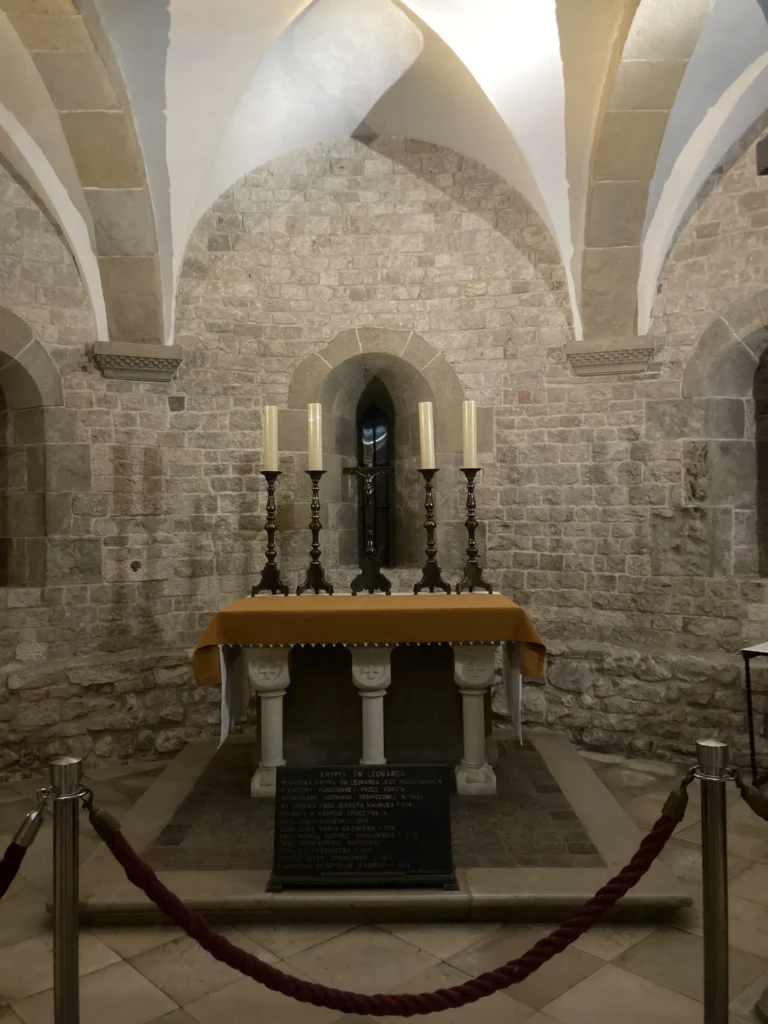
I went into the crypt of the great Wawel Cathedral to see where, 80 years ago next week, he celebrated his first Mass.
Mother Teresa
It was in that same year of 1946 that an obscure schoolteacher and missionary nun, Mother Teresa of Calcutta, was on a train when she received from God the command to leave the classroom and go out into the slums to care for the needs of the poorest of the poor. The tracks of her life and those of the freshly minted Father Karol Wojtyla would intersect decades later through the mysterious means of Divine Providence. They would not only become two of the most recognizable figures of their time, but best friends – all against the most improbable of odds.
It was impossible for me to walk the streets of Krakow and not think of Karol Wojtyla’s deep friendship with the Jewish people he knew throughout his childhood, time in college, and years as a priest and cardinal archbishop. Auschwitz is only a 45 minute train ride away from Krakow’s main station. It was no surprise when Cardinal Wojtyla became Pope John Paul II, that he immediately scheduled a papal visit to Auschwitz to pay his respects and honor the victims of the Holocaust. When I see some Catholics today who profess the faith while they fan the flames of antisemitism, if not hatred of the Jews, I think of how contrary this is to the will of God and the memory of the great saint who had such a love for God’s chosen people.
John Paul II showed us the greatness of goodness, the triumph of love over fear and violence, the sanctity of life, and the truth that God so loves the world, each one of us, today and forever.
His words and example are worth following. And as I discovered, so are his actual footsteps.
(The views expressed herein are those of the author and do not necessarily reflect the views of Aging with Dignity and/or its Board of Directors.)