

How to Financially Plan a Bedroom Remodel for Accessible Aging
A step-by-step guide that lets you comfortably age in place
February 3, 2026
For older adults who want to age in place, and caregivers trying to support them, an accessibility bedroom remodel can feel like a necessary step that also threatens the budget. The core tension is simple and heavy: disability accommodations matter, but financial concerns in remodeling can trigger hesitation, conflict, or delay. Add the emotional weight of end-of-life planning, and even basic home modification planning can feel hard to start. A clear financial plan turns uncertainty into calmer, more confident decisions.
Key takeaways
- Plan for accessibility remodeling costs early so the bedroom stays safe, comfortable, and supportive.
- Prepare a clear budget before starting so you can make calm, confident remodeling decisions.
- Review funding strategies upfront so you know your financing options before choosing upgrades.
- Focus on financial planning essentials so the remodel supports aging with dignity and peace of mind.
What an accessible bedroom remodel really includes
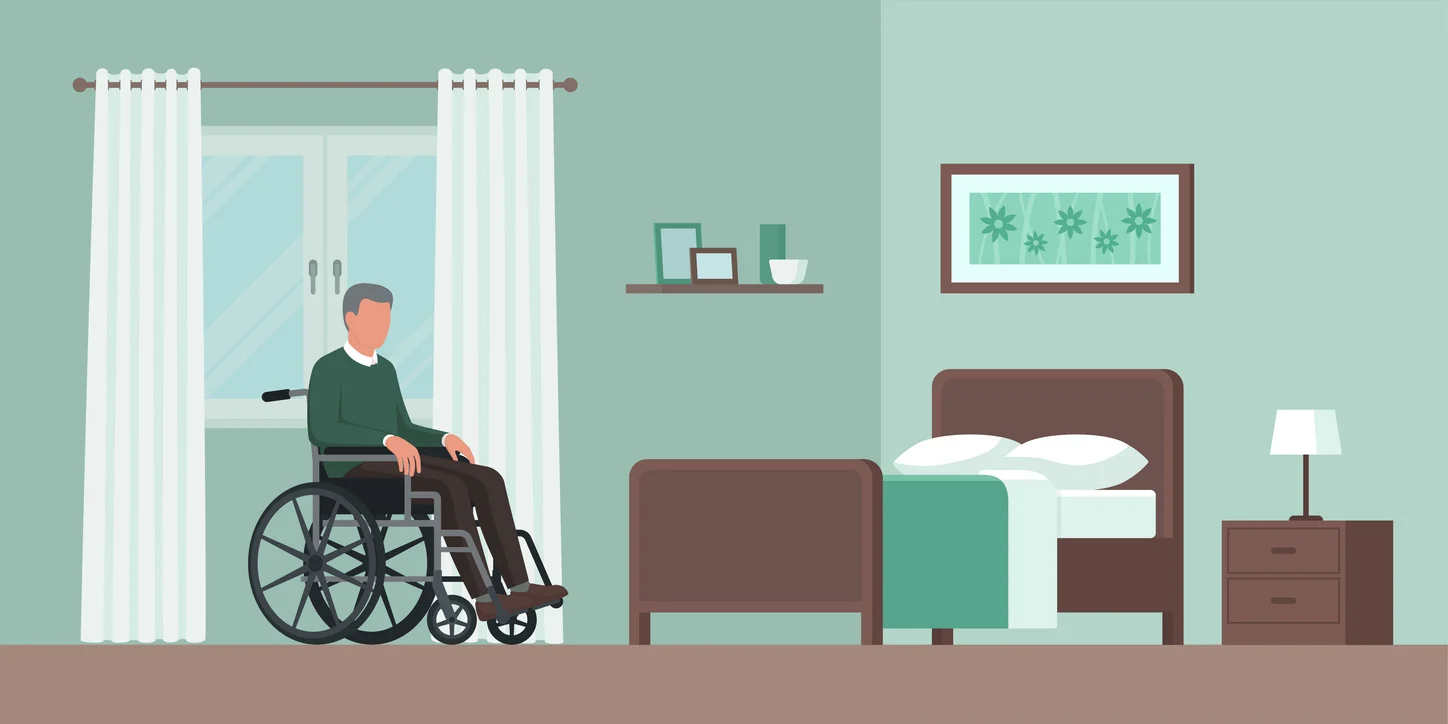
First, picture the full scope. An accessible bedroom remodel can mean a wider doorway, safer flooring, brighter lighting, better storage reach, and space for a walker or wheelchair, and it often pairs with nearby bathroom updates.
Costs usually rise based on layout changes, labor time, and the items you cannot skip, like flooring, lighting, and accessible doors. Financial planning matters because Americans spend so much on remodeling overall, and your funding choice shapes your monthly stress level.
Think of it like packing for a long trip. If you decide early what you must bring and how you will pay, fewer surprises show up later. A caregiver can focus on comfort, not last-minute invoices.
With these basics clear, you can budget, compare quotes, and weigh savings, grants, or flexible home-equity borrowing.
A step-by-step funding menu
A bedroom remodel for accessible aging can feel emotionally loaded, because it’s not “just a project,” it’s a comfort-and-safety plan. A simple funding process can lower anxiety and help you protect the priorities you identified earlier (safe flooring, wider pathways, better lighting, and room for mobility equipment).
- Set a “must-have” budget first (then a nice-to-have list): Write down the non‑negotiables that support safety and daily dignity, like a no-step entry, lever handles, or space for a caregiver chair, then put “upgrades” (new paint, built-ins) in a separate column. Give your must-haves a target budget range so you don’t accidentally spend the accessible features money on cosmetic items. If you need a starting point, many cost per square foot estimates for remodeling projects land in the $60–$150 range, which can help you sanity-check early numbers.
- Gather three comparable quotes using the same scope sheet: Ask each contractor to price the same list so you’re comparing apples to apples. Include specifics you discussed earlier: doorway width targets, flooring type, lighting, any structural changes, and whether the bedroom work includes adjacent bathroom access. Request line items (labor, materials, permits, disposal) and a realistic timeline; surprises usually hide in “allowances” and unclear finish selections.
- Add a 10–20% “calm buffer” and decide your maximum monthly payment: Accessibility work often reveals extra needs once walls open up (subfloor repair, electrical updates, hidden water damage). A buffer keeps you from having to choose between safety and cash flow mid-project. If you expect to borrow, choose a monthly payment ceiling that still leaves room for medications, caregiving help, and travel for family support, your remodel should reduce stress, not create it.
- Try the simplest funding stack first: savings + staged work: If you can pay some costs from savings without draining your emergency fund, do that for the highest-impact safety items (lighting, flooring traction, handholds). Then consider phasing the rest, finish the bedroom now, schedule closets or cosmetic upgrades later. This approach reduces interest costs and keeps options open if health needs change.
- Check grants, local programs, and “invisible” benefits before borrowing: Call your city/county aging office, disability resource center, or housing agency and ask specifically about home accessibility grants, low-interest rehabilitation loans, or property-tax relief programs. If you’re a caregiver, ask whether the person you’re helping qualifies through veteran benefits or Medicaid waiver programs (rules vary widely). Even a small award can cover key items like ramps, rails, or a safer floor transition.
- Compare borrowing choices with a one-page scorecard: Create a simple chart with columns for rate type (fixed vs. variable), term length, fees, how fast funds arrive, and whether the payment could rise. Personal loans can be quick but may cost more; contractor financing can be convenient but may include promotional rates that jump later; a cash-out refinance resets your whole mortgage. For homeowners with equity, some people use home equity for remodels through a loan or a flexible credit line, such as a HELOC, which can let you borrow only what you need as the project progresses.
When you can see your scope, quotes, buffer, and funding options on one page, decisions get quieter and steadier. That steadiness helps you weigh safety, home value, and day-to-day disruption with a clearer head.
FAQ
Many people want a plan that feels steady, not scary.
What if I start the remodel and the costs keep growing? Ask for a written scope with line items, then add a clear contingency amount before you sign anything. Choose finishes early, because last-minute changes are a common budget leak. If surprises appear, pause and re-approve the revised total before work continues.
How do I decide what’s “worth it” if I may need more care later? Spend first on features that reduce falls and make daily routines easier: brighter lighting, clear pathways, and slip-resistant flooring. Keep anything purely decorative optional so safety is protected even if plans change.
Can we reduce disruption if someone is already frail or on hospice? Yes. Ask the contractor to propose a phased schedule, quiet hours, dust control, and a temporary sleeping setup. Put comfort costs in the budget too, like a hotel night, meal delivery, or extra caregiving help.
Should I get one quote from the contractor my neighbor used? It’s safer to compare at least three bids that price the same checklist. Prioritize your remodeling list so every contractor is bidding on the same must-haves.
What small upgrade gives peace of mind without a huge bill? Improve traction and add supportive handholds where transfers happen. Even simple safety steps like installing grab bars can reduce risk and protect independence.
You are allowed to move slowly and still move forward.
Sleep better with a remodel budget
It’s hard to think about aging needs while also worrying about costs, disruption, and making the “wrong” choices for the home. A calm approach, pairing accessibility priorities with a realistic financial plan and simple decision points, turns that tension into confidence in home planning. When the numbers and the layout support each other, the benefits of accessible remodel show up as safer nights, steadier long-term financial security, and emotional peace of mind for everyone involved. Plan for accessibility now, and dignity will feel built into every bedtime. Choose one action you can take this week: write down the top three bedroom changes that would help you feel safest, then match each to a rough budget range. That small act of self-care through remodeling creates stability that protects health, relationships, and resilience over time.
(Greer, South Carolina-based Laura Carlson is the creator behind Endurabilities. She became disabled after a car accident when she was 13 years old. Today, her life’s calling is helping those who’ve experienced similar traumas. In addition to heading up a support group for people who are coping with a traumatic life transition like she experienced, she created Endurabilities as a way to let people know that they can endure any health condition by taking the best care of themselves they can. Contact her via her website, www.endurabilities.com.)