

Shouting Hope
On Ben Sasse’s “death sentence”
January 8, 2026
By Jim Towey
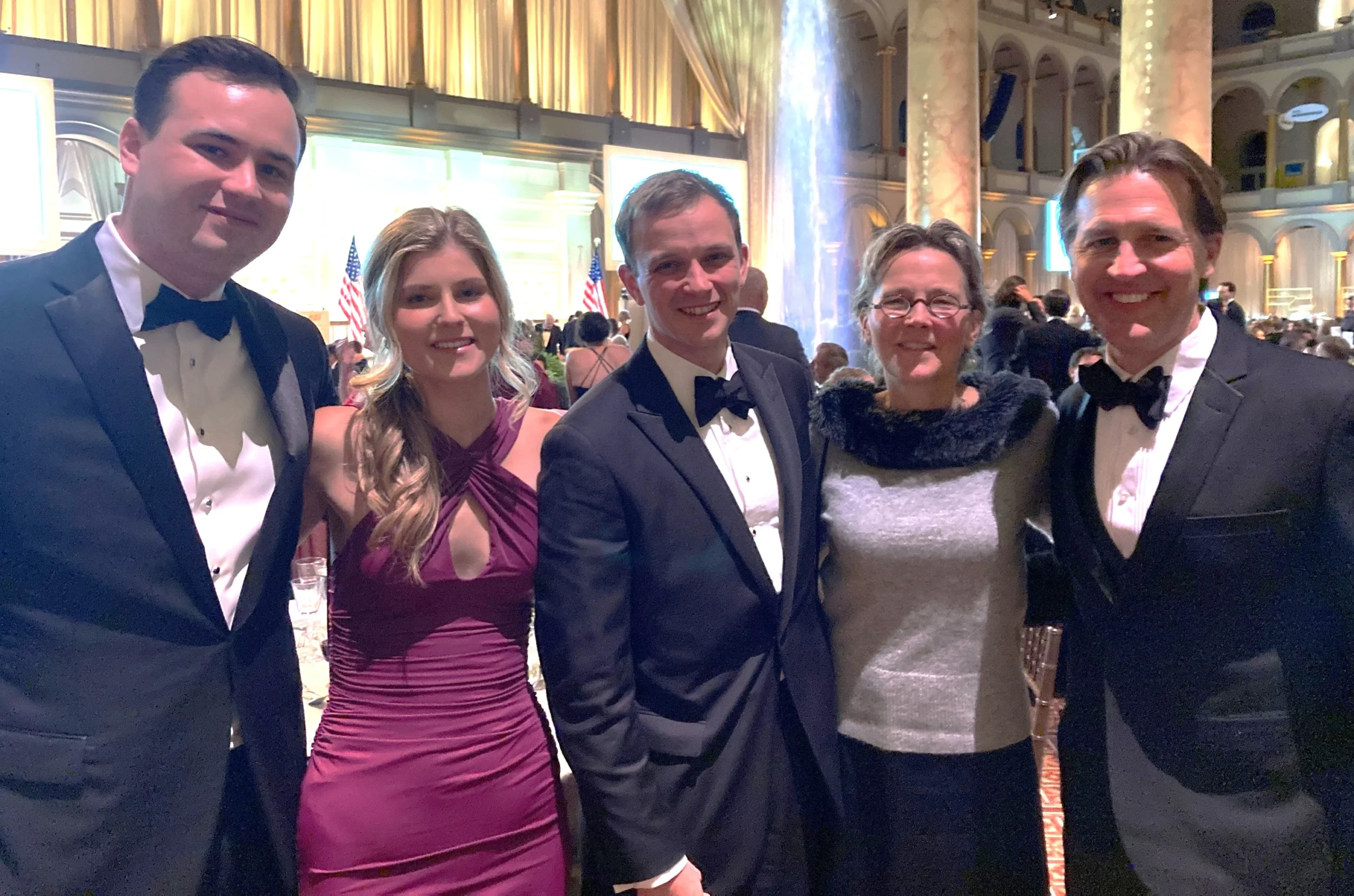
I had never met former U.S. Senator Ben Sasse before he was seated next to my wife and me at a black-tie dinner in Washington, DC in November.
Now I feel like he is an elder brother about to teach me important lessons on what really matters in life, and how to face suffering and death with equal measures of seriousness, reverence and laughter.
Shocking news
Just two days before Christmas, Sasse shared some shocking news. He announced on X, “Last week I was diagnosed with metastasized, stage-four pancreatic cancer, and am gonna’ die. Advanced pancreatic cancer is nasty stuff; it’s a death sentence.”
I was incredulous. The man I chatted up a month earlier was the very picture of vitality – Hollywood looks and winsome charm, all packaged in a tux. At age 54, happily married and the father of three, he was in the full bloom of his prime. He had every reason to be confident about the future. His credentials, including degrees from Harvard and Yale, a distinguished record of service in the Senate, and a short but impactful tenure as president of the University of Florida, all positioned him to do anything he wanted.
In fact, he had just signed up as a Wall Street Journal columnist and accepted a part-time gig as a senior fellow at the American Enterprise Institute, an influential think tank that promotes principled, conservative views and policies. In AEI’s announcement, Sasse was described as “a national treasure.”
Sasse, however, didn’t want to talk at table about himself or his possibilities. Instead, he proudly bragged about his children, especially his daughter seated by his side, Alex, a UF student he described on X as “graduating from college a semester early even while teaching gen chem, organic, and physics (she’s a freak).”
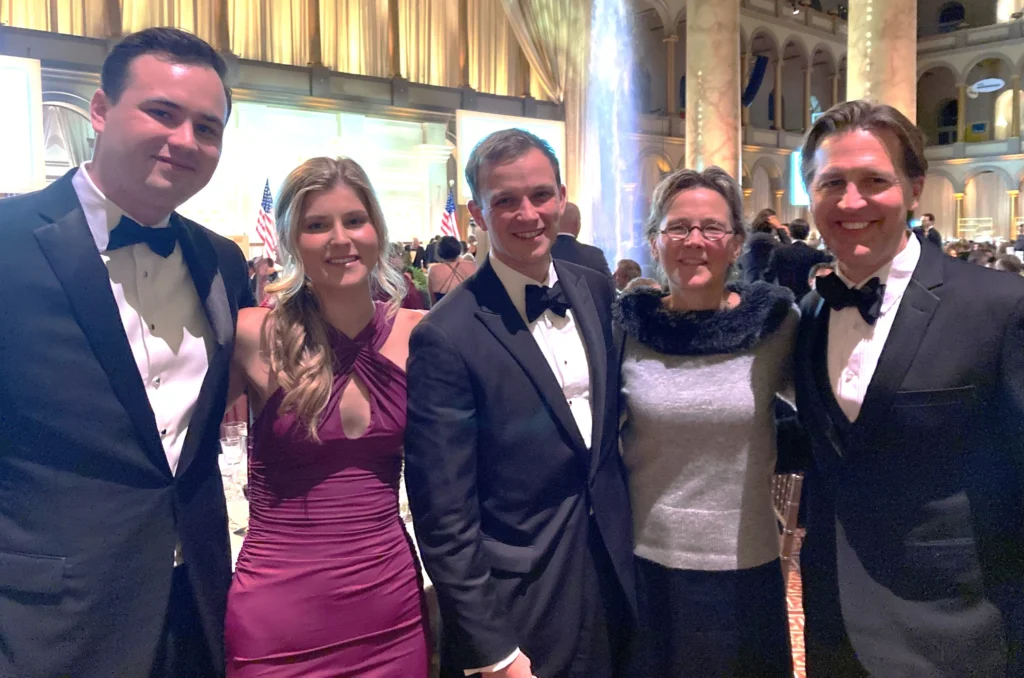
That evening as he regaled us with funny stories, he didn’t look at all like a man under an imminent death sentence. And apparently, he himself didn’t know that he was “marching to the beat of faster drummer,” as he later described on X. “Death is a wicked thief, and the bastard pursues us all.”
Hope
Ben Sasse may die fairly soon, but he won’t be defeated. In his announcement, he wrote of his faith. “As a Christian, the weeks running up to Christmas are a time to orient our hearts toward the hope of what’s to come. Not an abstract hope in fanciful human goodness, not hope in vague hallmark-sappy spirituality; not a bootstrapped hope in our own strength.” He said that “even while still walking in darkness, we shout our hope.”
His “shout” is a refreshing contribution to the ongoing debate in America over assisted suicide. Sasse places death and dying in what he calls “eternity’s perspective,” knowing well that how he dies will affect others. His eyes already are focused on what he describes as “the eternal city.” He wrote, “Those who know ourselves to need a Physician should dang well look forward to [an] enduring beauty and eventual fulfillment.”
Sasse has no illusions that the remainder of his life will be easy. But in the midst of suffering and “soldiering through tears” as he put it, he is resolved to find meaning in the dying process and not shrink from its demands. He had to tell his daughters that he wasn’t going to walk them down the aisle and his parents that they would have to bury their son.
Confronting mortality
Heartbreaking stuff, yes, but not hopeless. Sasse’s human dignity and his choice to be grateful are a light for all those facing similar situations and fears. He witnesses to the Judeo-Christian belief that with death, life is not ended but changed. He shows us that our humanity shines most brilliantly when we confront our mortality without seeking a hastened death, without “cutting to the chase.”
Many argue that assisted suicide is a solution to terminal illness. Why not assist people who want to end their lives? But Sasse knows that society’s approach to dying and death isn’t just a personal matter. His post on X, and what he promises to share as his days draw to a close, underscore this belief.
“Death and dying aren’t the same – the process of dying is still something to be lived,” he declared. Truly words of truth from a man of greatness.
In a time when assisted suicide seems fashionable, when proponents sanitize the language by substituting “medical aid in dying” for “suicide,” and with New York, Illinois, and Delaware legalizing the practice last year and other states poised to try to do the same, Ben Sasse is teaching his beloved country an important lesson: there is a better, and more hopeful and humane way, to go home to God.
(The views expressed herein are those of the author and do not necessarily reflect the views of Aging with Dignity and/or its Board of Directors.)